
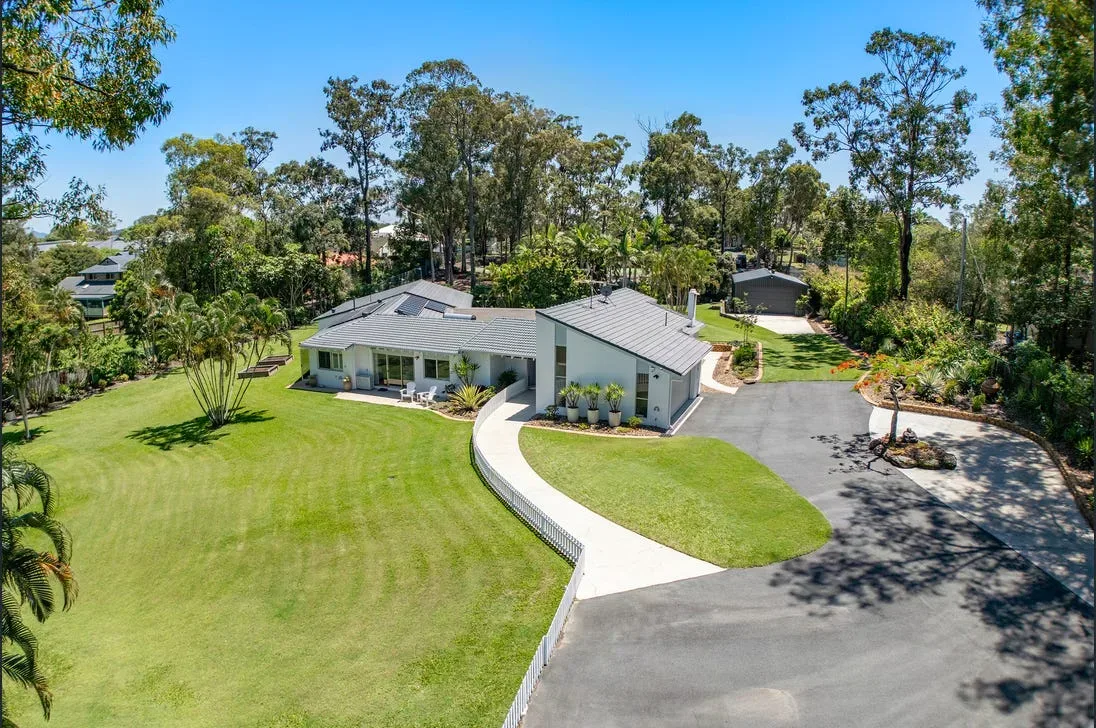
How a New Concrete Driveway Adds Value to Your Home
A driveway is one of the first things anyone sees when they pull up to a property, and a cracked, patchy or gravel driveway drags down how the whole home presents. Replacing it with a properly poured concrete driveway is one of the more straightforward ways to lift a property's first impression and its value.
Whether you're planning to sell in the near future or just want a driveway that works properly for years, here's how a new concrete driveway pays off, and what makes the difference between one that adds value and one that just needs replacing again in a few years.
Why a New Driveway Pays Off
What a Driveway Says About a Property
Before a buyer or valuer even reaches the front door, the driveway has already told them something about how well the rest of the property has been looked after. A driveway in good repair signals a home that's been maintained properly, while cracked, uneven or gravel surfaces can raise questions about what else has been left undone.
Durability Adds Value as Much as Looks
A reinforced concrete driveway, poured with the right slump mix and proper site prep, is built to carry daily vehicle traffic for decades without cracking or sinking. That durability is a real part of the value, not just the finish, because a driveway that holds up protects the investment instead of becoming another job to redo in a few years.
Choosing a Finish That Suits the Property
The finish is one of the easiest ways to match a new driveway to the style of a home. A few options worth considering:
- Smooth Finish A clean, even surface that suits modern homes and a simple, low-key driveway.
- Broom Finish Light texture that adds grip, useful on a sloped driveway or anywhere that gets wet.
- Exposed Aggregate A decorative stone finish that lifts the look of the property and wears well over time.
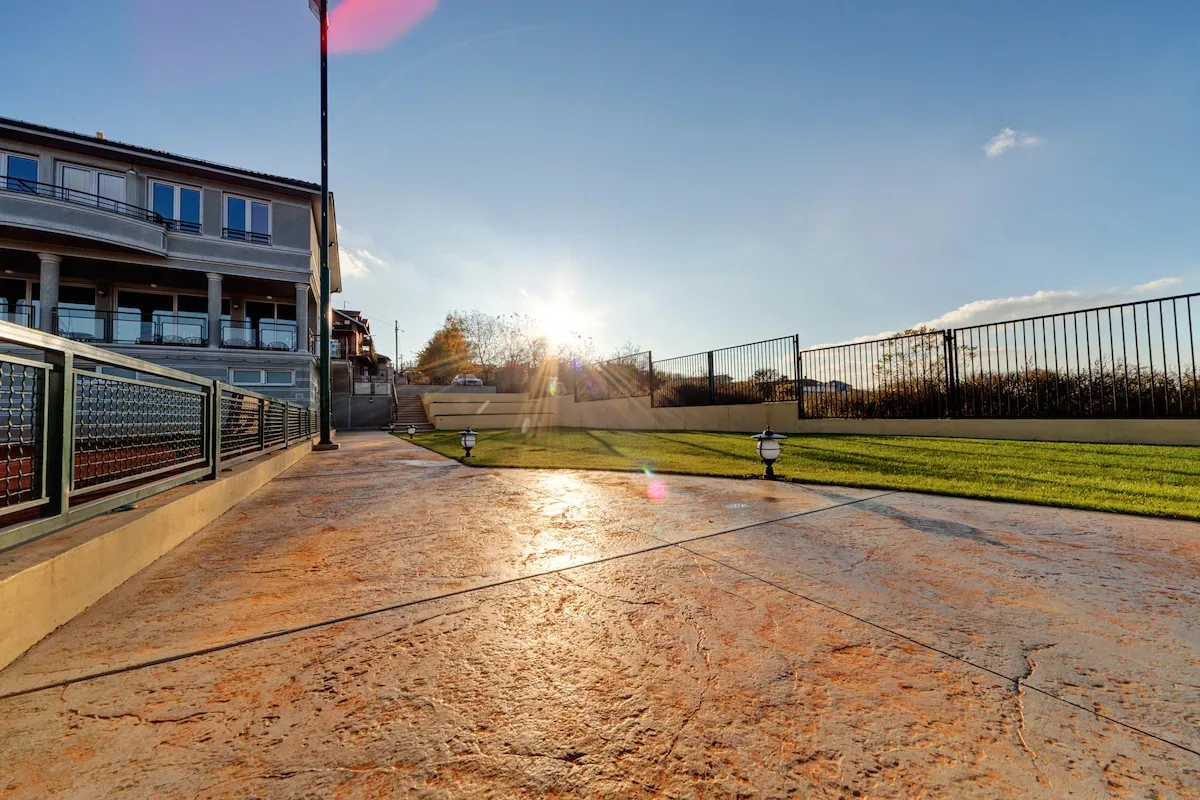
Getting a Driveway Built to Actually Last
Getting the Groundwork Right So It Actually Lasts
None of that value holds up if the groundwork underneath is skipped. Proper base compaction, correctly placed reinforcement, and control joints spaced to manage natural movement are what stop a new driveway from cracking or sinking within the first year or two. A driveway poured without that groundwork can end up working against the property's value instead of adding to it.
The real value in a new concrete driveway comes from combining a strong first impression with a surface that's actually built to last. Get the finish, the mix and the groundwork right, and it's an upgrade that keeps paying off long after the concrete has cured.